Rodent Proofing & Exclusion in Caldwell Entry Point Sealing
A building can look completely sealed from the inside while still having open routes on the outside We provides rodent proofing and exclusion in Caldwell, identifying vulnerable areas and sealing suitable entry points.
100+ Reviews
Licensed & Insured
No Contracts
Serving Since 2019
Why Proofing Is Different From Removal
Removing rodents solves what’s happening right now. It doesn’t do anything about the opening that let them in — which means the property is just as vulnerable to the next one. Proofing addresses that gap directly: we look at the building itself, not the animal.
Rodent Removal
Deals with rodents currently on the property.
Rodent Proofing
Addresses structural openings that may allow rodents to enter the property.
Rodents take advantage of wherever building materials meet, age, or shift — around foundations, doors, vents, rooflines, and utility lines. A structure doesn’t need to be falling apart for these openings to exist; even well-maintained homes develop them over time as materials settle and seals wear down.
What Makes a Property Vulnerable to Rodent Entry?
There’s no universal checklist that applies to every building vulnerability depends on construction, age, maintenance history, and what’s around the property. That said, a few areas tend to matter most:
Where Materials Transition
Anywhere two different materials meet — siding to foundation, roofline to wall, door frame to threshold — is a natural weak point as the building settles.
Wall & Utility Penetrations
Pipes, cables, vents, and utility lines all require an opening, and the seal around that opening is often the first thing to fail.
Moving Parts & Seals
Garage doors, screens, and vent covers have components that degrade — worn seals, bent screens, or loose hardware can turn a functional barrier into an accessible gap.
Aged Repairs
Old patches, caulking, or mesh can deteriorate faster than the surrounding structure, quietly reopening a route that was sealed years ago.
The goal of an inspection isn’t to catalog every imperfection on a building — it’s to identify which of these actually connect to somewhere a rodent could use.
What a Proofing Inspection Actually Looks At
A proofing inspection isn’t just walking around the house looking for holes. The goal is to understand how the building connects together and which openings could provide a usable route inside.
Inspect the Exterior Structure
Look at areas such as:
- Foundation
- Siding
- Roofline
- Exterior doors
- Garage areas
The focus is on places where materials meet, age, shift, or develop gaps.
Check Potential Access Points
Pay particular attention to:
- Vents
- Screens
- Utility lines
- Pipes
- Cables
- Exterior openings
These areas can create openings that need closer evaluation.
Common Areas We Inspect & Seal
Rodents don’t need a large hole to get inside. We focus on areas where exterior openings connect to accessible parts of the building, including foundations, rooflines, doors, vents, utility penetrations, and other vulnerable transitions.
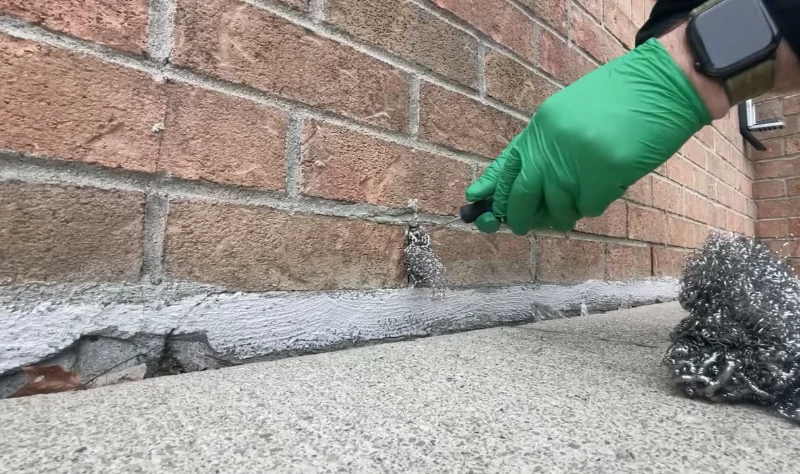
Foundation & Crawl Spaces
Openings around foundations and crawl-space areas can provide access to protected parts of the building.
Roofline & Attic Areas
Roofline gaps, vents, and other elevated openings may provide routes into attic spaces.
Doors & Garage Openings
Worn seals and gaps around exterior doors and garage openings can create accessible routes.
Vents & Screens
Damaged screens, vent covers, or deteriorated barriers can leave openings exposed.
Utility Penetrations
Pipes, cables, and other utilities require openings through exterior walls that may need attention.
Exterior Gaps & Transitions
Areas where different building materials meet can develop gaps as materials settle, age, or shift.
How Rodent Proofing Helps
Proofing focuses on the building itself identifying vulnerable openings and addressing suitable access points that may allow rodents inside.
Before Proofing
Potential access may remain around:
- Gaps and transitions
- Worn seals
- Damaged screens
- Utility penetrations
- Other vulnerable openings
AFTER PROOFING
✓ Gap Sealed
✓ Vent Secured
✓ Worn Seal Addressed
Rodent Proofing for Homes & Businesses
Every property has different construction, access points, and maintenance conditions. Our approach is based on the building and the areas that need attention.
Residential Properties
Rodent proofing can be appropriate for qualifying:
- Single-family homes
- Townhomes
- Rental properties
- Garages
- Attics
- Crawl spaces
Commercial Properties
Rodent proofing can be appropriate for qualifying:
- Restaurants
- Retail buildings
- Offices
- Warehouses
- Storage facilities
- Other commercial buildings
When Rodent Proofing Is Worth Considering
Proofing can be especially useful when a property has recurring rodent activity, visible exterior gaps, or conditions that may allow future access.
✓ Previous Rodent Activity
Past activity may indicate that the property has usable access points that deserve attention.
✓ Visible Exterior Gaps
Gaps around the exterior can create potential routes into the structure.
✓ Recurring Signs or Sightings
Repeated activity may warrant a closer look at how rodents are getting inside.
✓ Damaged Screens or Vents
Damaged barriers can leave otherwise protected openings accessible.
✓ Aging Seals & Repairs
Older caulking, patches, mesh, and seals can deteriorate over time.
✓ Vulnerable Utility Penetrations
Openings around pipes, cables, and other utilities may need to be evaluated.
If you suspect your building has vulnerable access points, a proofing inspection can help determine which areas need attention.
Frequently Asked Questions?
Common questions about rodent entry points, proofing, and exclusion for Caldwell properties
Call us +1 (208) 675-0827
Need Rodent Proofing in Caldwell?
If you are concerned about rodent entry points, a proofing inspection can help identify which areas of the property may need attention.
Professional Rodent Proofing & Exclusion in Caldwell and prevention services for homes and businesses in Caldwell, ID.
📞 Call: +1 (208) 675-0827
✉️ Email: hello@rodentcontrolcaldwellid.com
🏢350 Fairview Ave, Caldwell, ID 83605
Navigate
Areas We Serve
Proudly Serving Canyon County, ID
Copyright © 2025 Rodent Control Caldwell. All rights reserved.